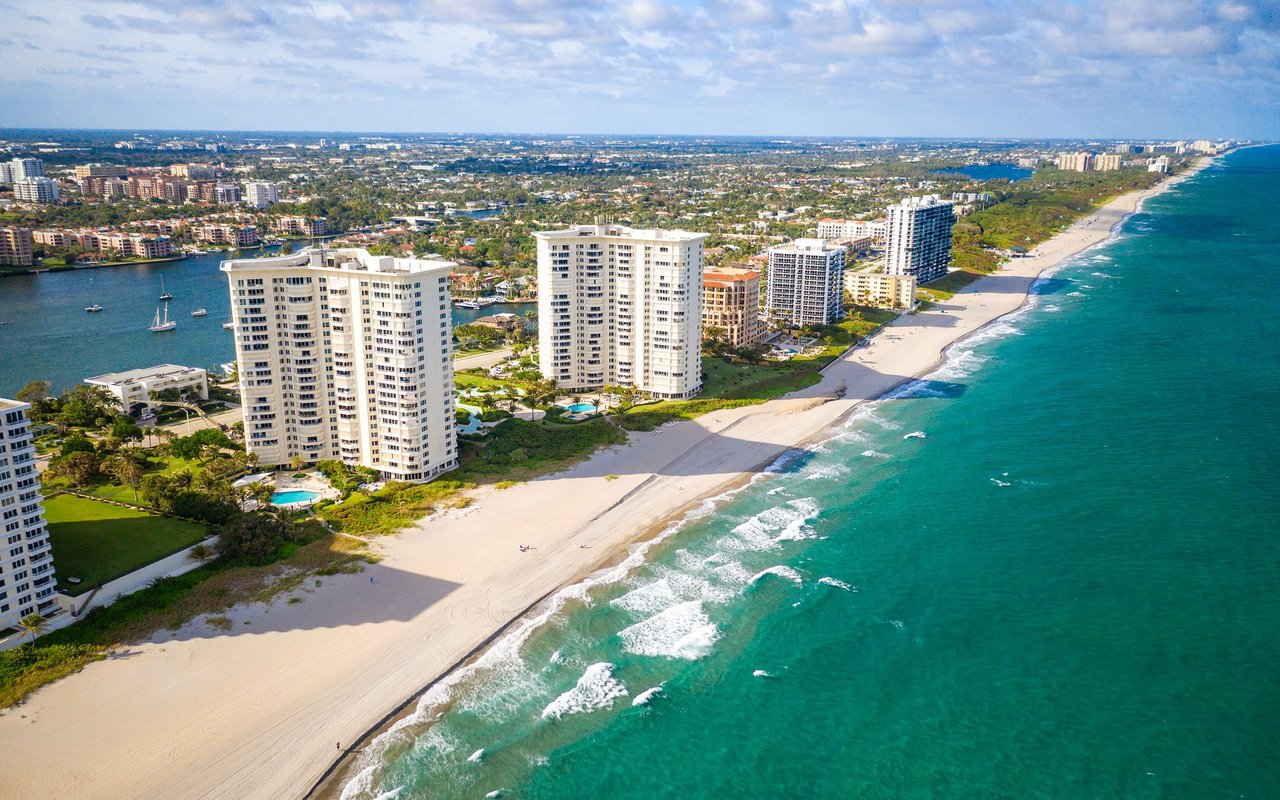
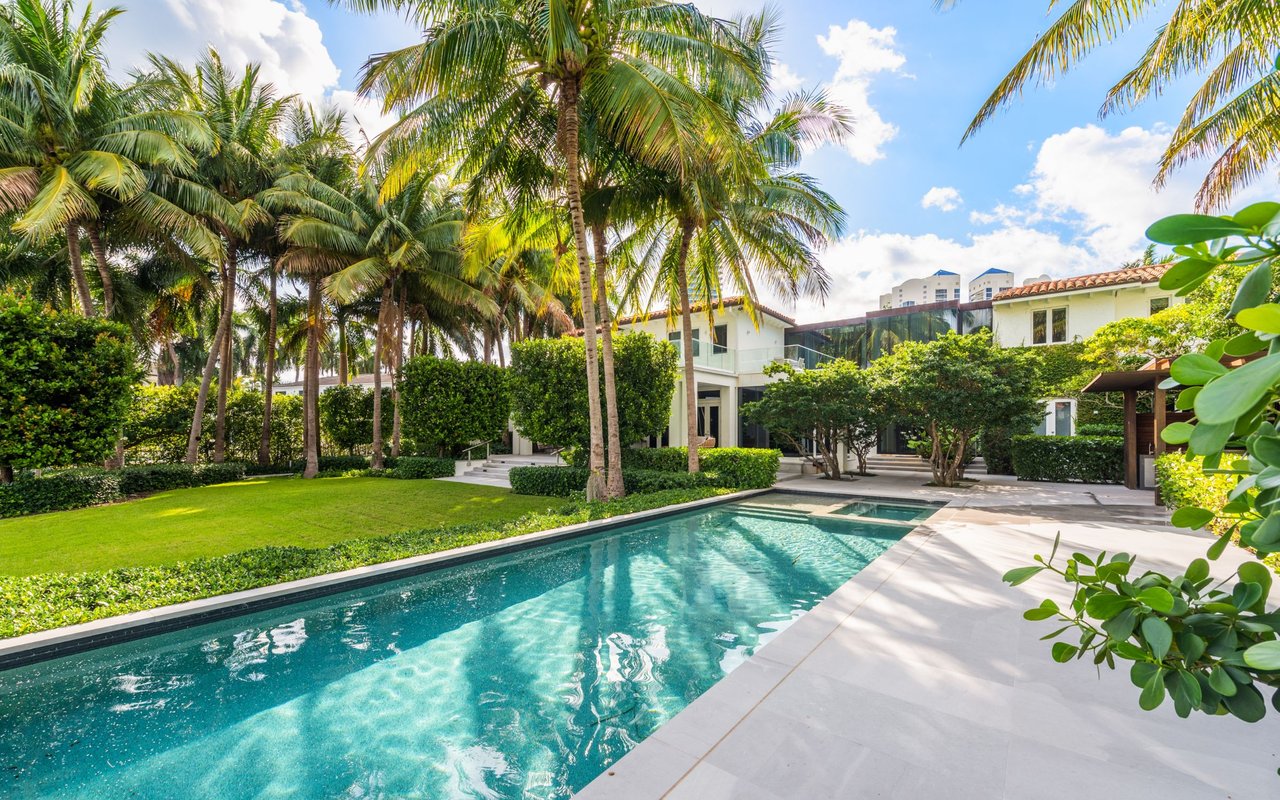
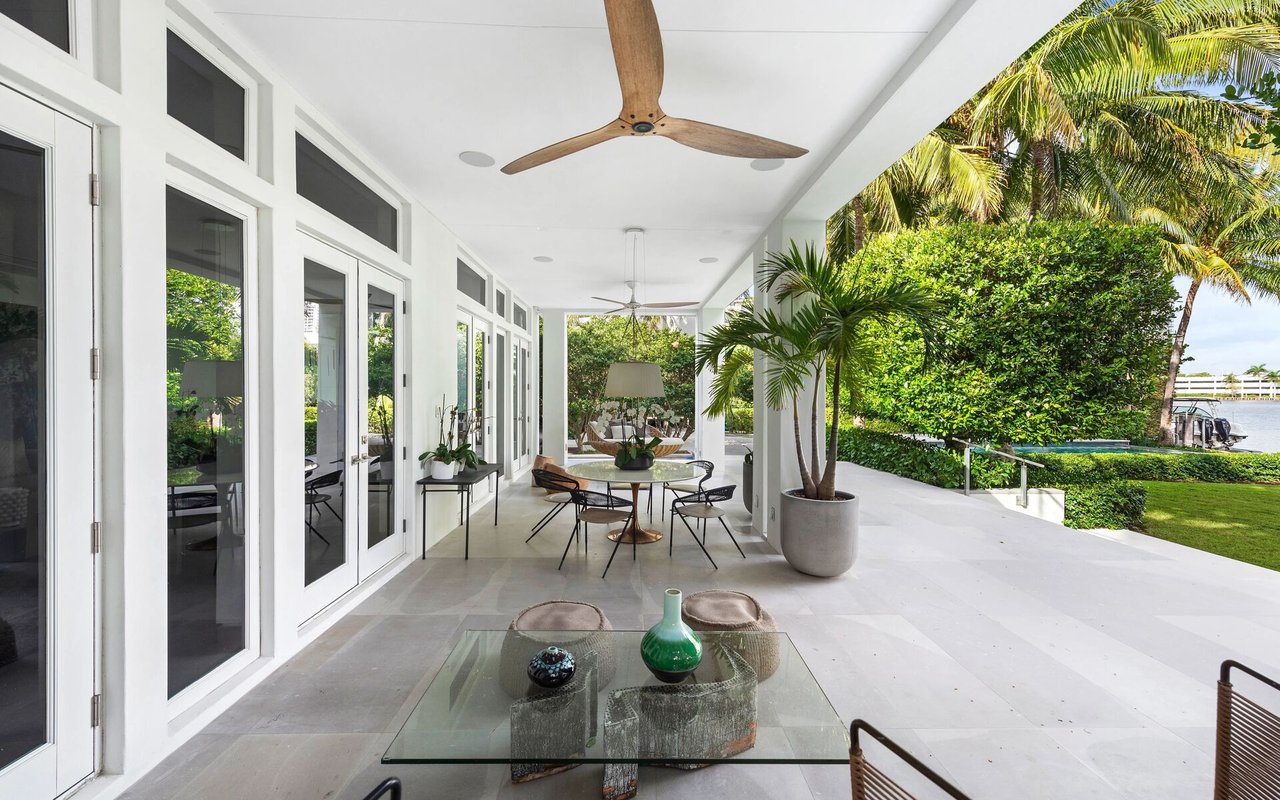
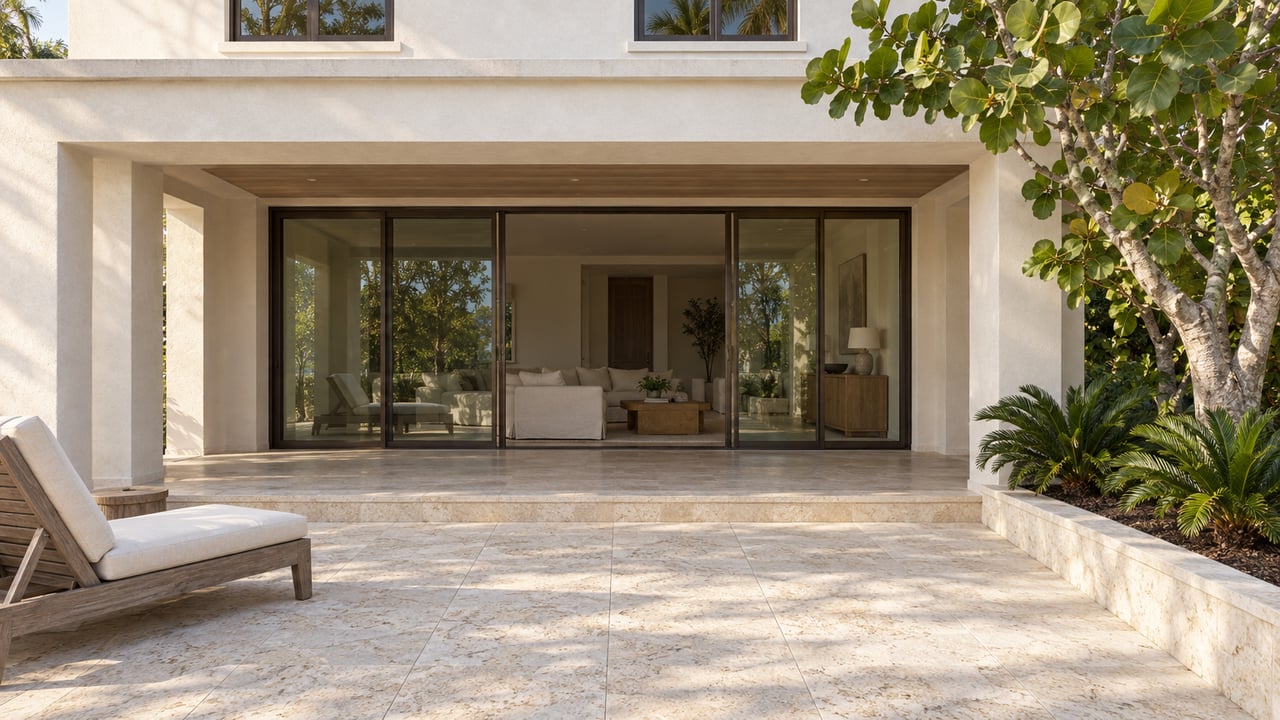
"In no event shall any part of the building extend east of the state coastal construction control line." That sentence sits in Section 6-127(d)(7) of the Highland Beach Town Code. The October 2026 Manager's Monthly dates it to 1979. For most of the time since, nobody enforced it, and oceanfront homes went up east of A1A anyway.
This fall the Town Commission moved to address that gap with Ordinance 2026-003.
How a 1997 Line Ended Up Near A1A
The state's Coastal Construction Control Line is not a setback. The Florida Department of Environmental Protection describes it as the landward edge of the state's jurisdiction over beach and dune areas exposed to severe swings in a 100-year storm. Unless an exemption applies, construction and excavation seaward of the line need an FDEP permit. In other words, the line marks where state review begins.
The Town's 1979 language used the line, and then the line moved. A Town staff report says the CCCL was first set for Palm Beach County in 1978 and re-established by FDEP in 1997, and the Town's ordinance was never updated to match. In several places the current line sits much farther west than it did when the ordinance was written. On some oceanfront lots it now falls at or near the western property line. In the most severe cases, it runs through the public right-of-way west of the parcel.
The Seawall Requirement and State Policy
The same section of code created a 120-foot ocean ridge protection zone and addressed lowering the ground profile below +18 feet NAVD and permitted seawalls.
Under its current policy in Chapter 62B-33 of the Florida Administrative Code, FDEP prohibits new ocean ridge seawalls unless an existing structure faces imminent structural failure.
The Coastal Star spelled out the geometry in June. Without a seawall, the zoning rule required a 120-foot setback from a beachfront lot's vegetation line or eastern property line. With a seawall, the setback drops to 50 feet. Town officials told the paper that a home built to the 120-foot standard would likely end up in the State Road A1A right-of-way, if not on the road itself.
Elevation added a third problem. The Coastal Star reported that the state requires oceanfront homes without a seawall to sit at least a foot above base flood elevation, which is usually 12 to 14 feet above average sea level.
Fifty Years of Building on State Permits
Oceanfront homes kept getting built because the Town deferred to the state rather than enforcing its own sentence. According to The Coastal Star, the Building Department only recently found the provision, and because nobody knew about the ban, the Town had been approving construction inside the restricted area.
"We as a town have been allowing it for 50 years," Labadie told The Coastal Star. "We've deferred to state. The state has allowed it pending review of site conditions."
The Town's staff report says the Building Department checked both issues with FDEP district staff and with a coastal engineer the Town has used on past projects. Both confirmed the conflicts are real, and the report states that "permit applicants have already been affected." The same report also flags the Town's own legal exposure if it enforced the ban against lots that already hold FDEP approval.
What Ordinance 2026-003 Rewrites
The second-reading materials set out how the Town plans to make the code match what it has been doing in practice:
- Remove the ocean ridge standards in Section 6-127(d): the 120-foot protection zone, the 18-foot minimum elevation, the mandatory seawall, and the supersession clause that let those rules override Chapter 30. Beach cleaning vehicle rules stay.
- Make FDEP CCCL permit approval the governing standard under Section 30-83 for removing ocean ridge material and for building east of A1A.
- Require the lowest floor of all buildings to meet the Florida Building Code and the Town's floodplain regulations.
- Address basements under the same building code and floodplain rules.
- Keep the requirement for a temporary dune barrier before lot clearing begins.
- Revise the exception provision concerning FDEP CCCL permits and zoning.
The schedule has four public steps, the last set for October 20:
- June 2026: The Planning Board held a noticed public hearing and recommended adoption.
- August 11, 2026: The Commission approved the ordinance on first reading and asked that the lowest-floor language reference "design flood elevation," according to the September 1 Commission packet.
- September 1, 2026: The Commission continued the second reading and told staff to go back to the Planning Board's original lowest-floor wording.
- October 20, 2026: Second and final reading was scheduled, according to a Town notice posted October 8.
The outcome of that meeting and the adopted text will be posted with the Town's ordinance materials. Before relying on either version of the code, confirm which one is in effect.
The Objections on the Record
The ordinance drew public objections. One resident asked the Commission to postpone the vote, notify affected oceanfront owners directly, and get independent legal and professional review. Another argued that the scope of affected properties and the technical basis were not well documented. He also questioned how far the ordinance reached and how it handled flood elevation, and asked for final action to wait.
The staff report describes affected lots in general terms, with the line "at or near" the western boundary on some and west of the parcel on others, but it does not list them.
What to Ask For on an Oceanfront Lot East of A1A
Whatever the outcome of the October 20 reading, this episode changes the due diligence on oceanfront single-family property in Highland Beach. The questions that matter are about the paperwork behind the lot:
- Where the CCCL falls on the survey. A lot where the line sits near the western boundary is the kind the staff report describes.
- The FDEP CCCL permit history for the existing home and any past work east of the line. The FDEP program page explains what the state regulates and why.
- Whether any redevelopment plan assumes a seawall, given FDEP's current stance on new ocean ridge seawalls.
- Which version of Sections 6-127 and 30-83 is in effect on the day you sign.
Sellers should have the same documents ready, because a buyer's architect or lender may ask for them early. This post is general information about a local ordinance, not legal or financial advice, so please confirm how these rules apply to a specific parcel with a land-use attorney, surveyor, or coastal engineer.
Quick Answers
Is the CCCL the same as a setback?
No. FDEP describes it as the edge of a jurisdictional area with special siting and design requirements, not a general construction setback.
Does the ordinance remove state oversight?
No. The Town's stated goal is to keep relying on state, Florida Building Code, floodplain, environmental, and coastal construction requirements, and to make the FDEP CCCL permit the governing standard.
If you own, or are thinking about buying, an oceanfront lot on Highland Beach's three miles of coastline, Jon Lewis can help you pull together the survey, the permit history, and the right coastal professionals before any price conversation starts. Let's Connect.