Two buyers can look at the same Parkland listing sheet this month and end up comparing apples to well water.
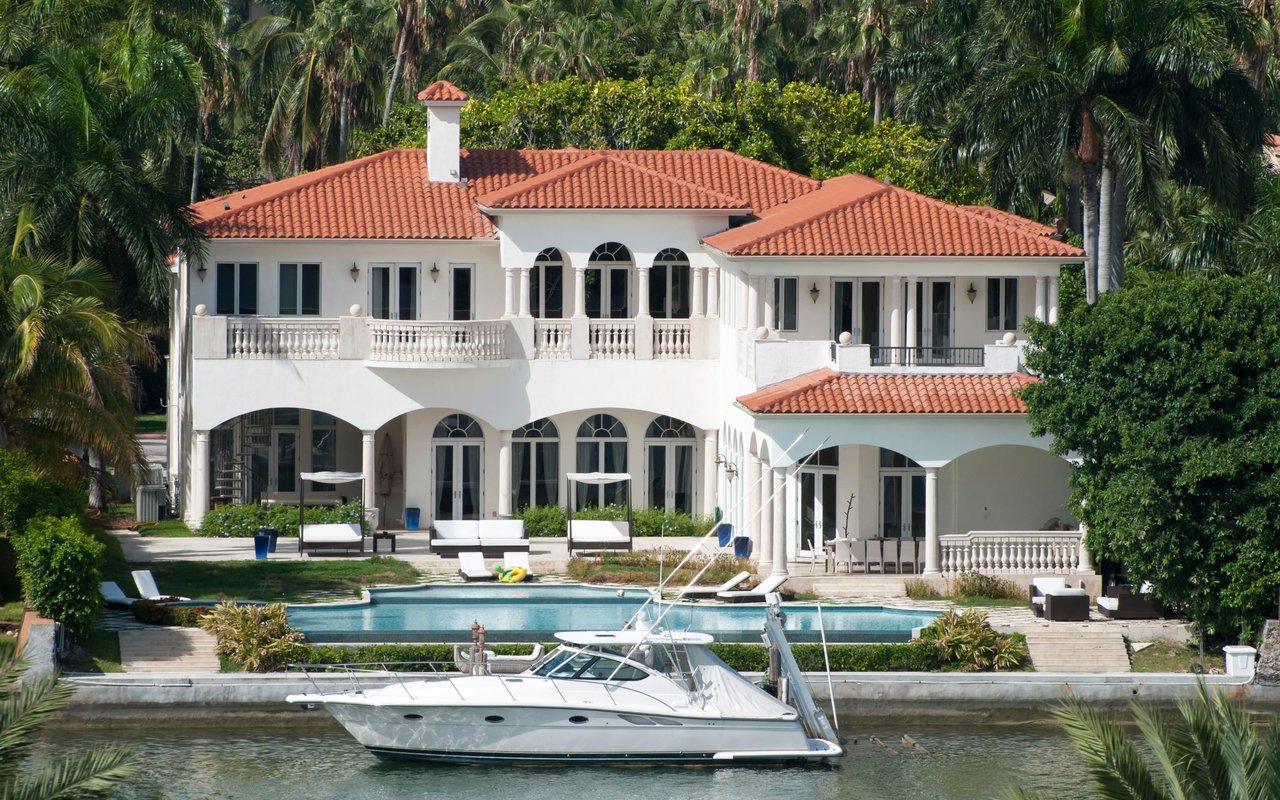
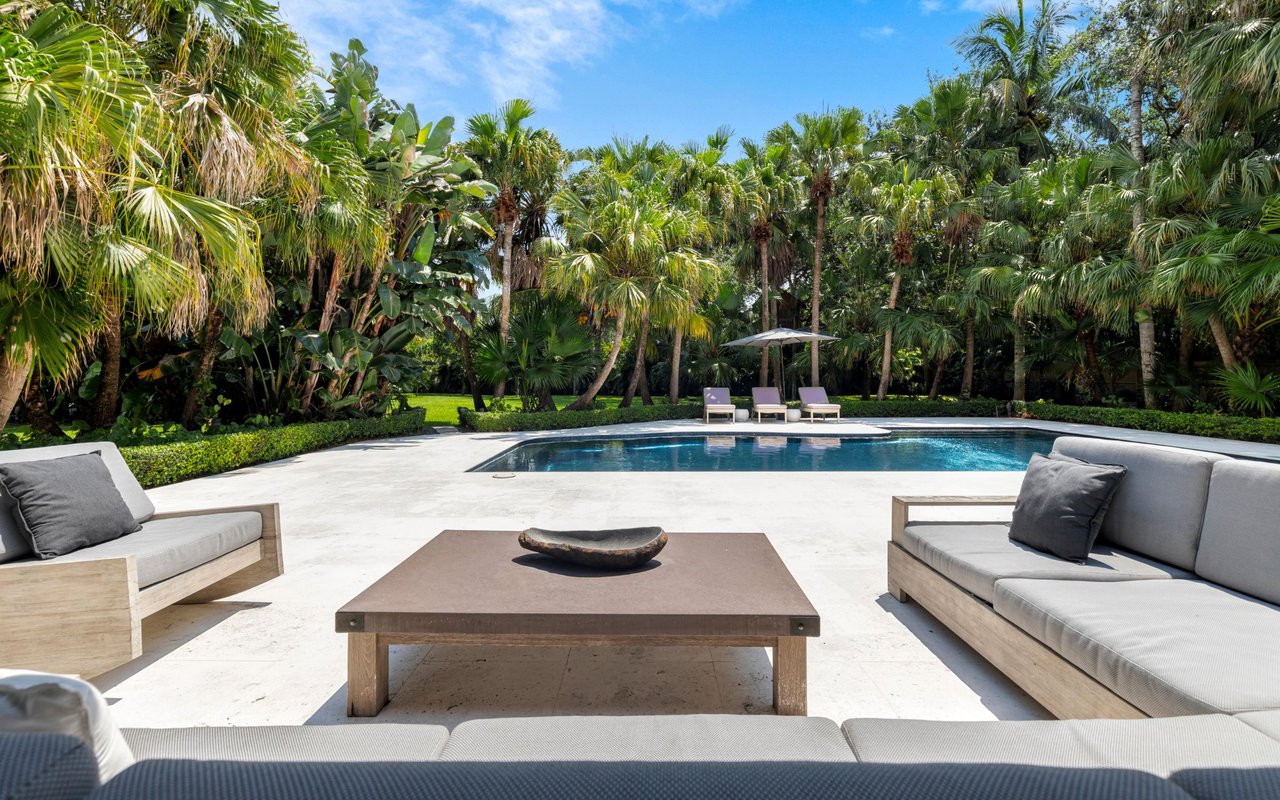
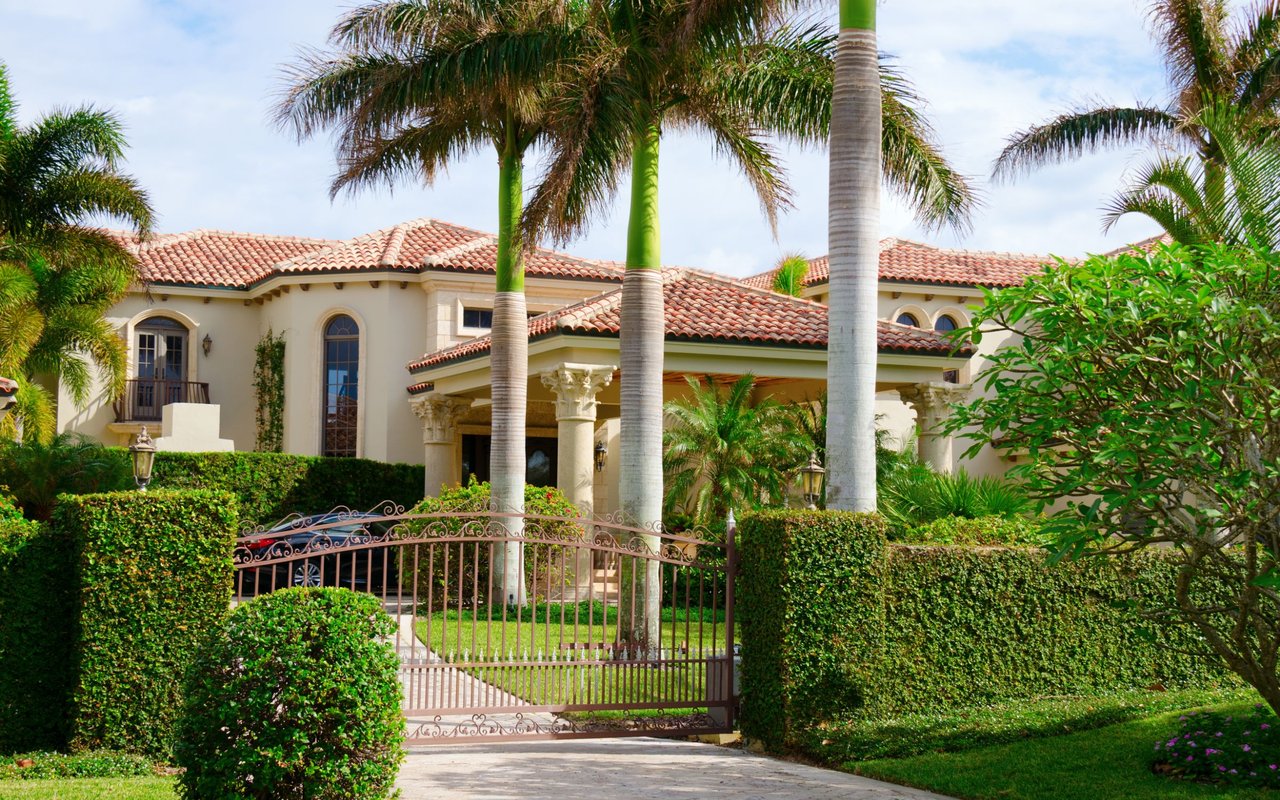
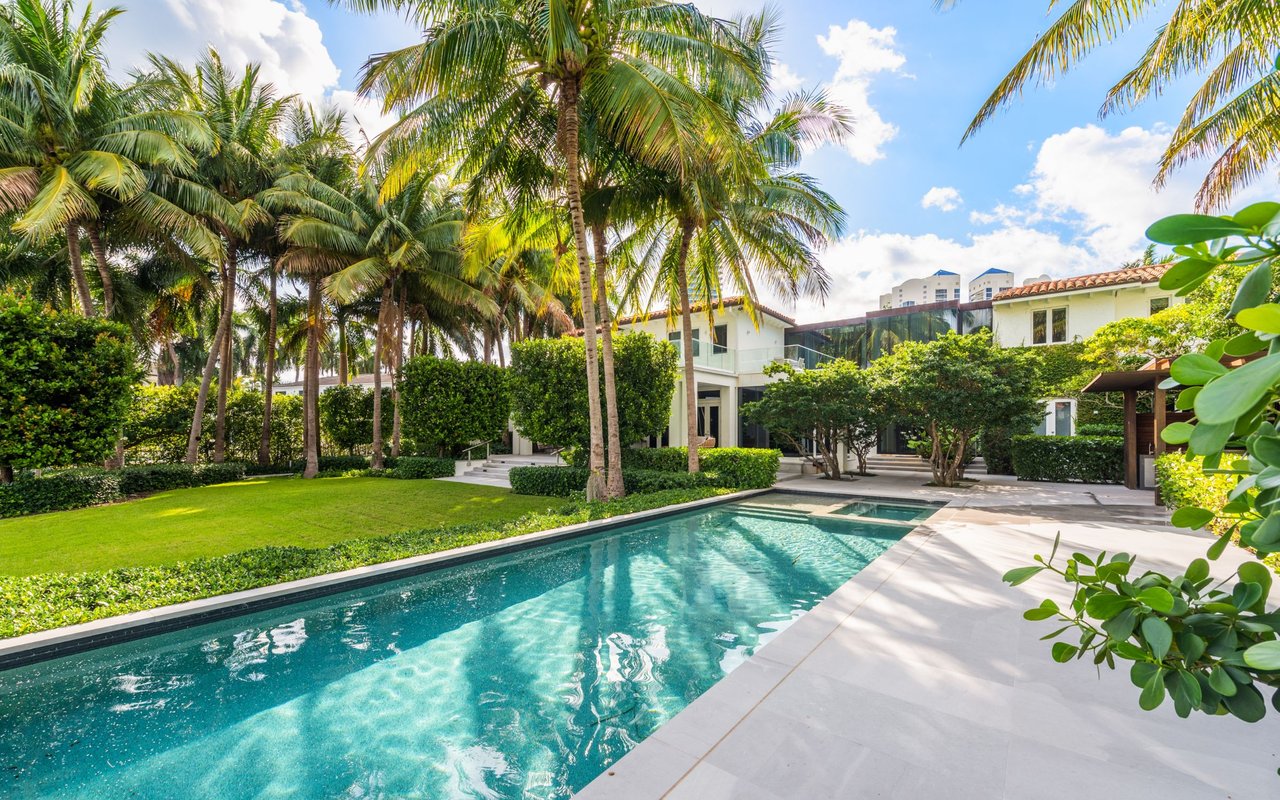
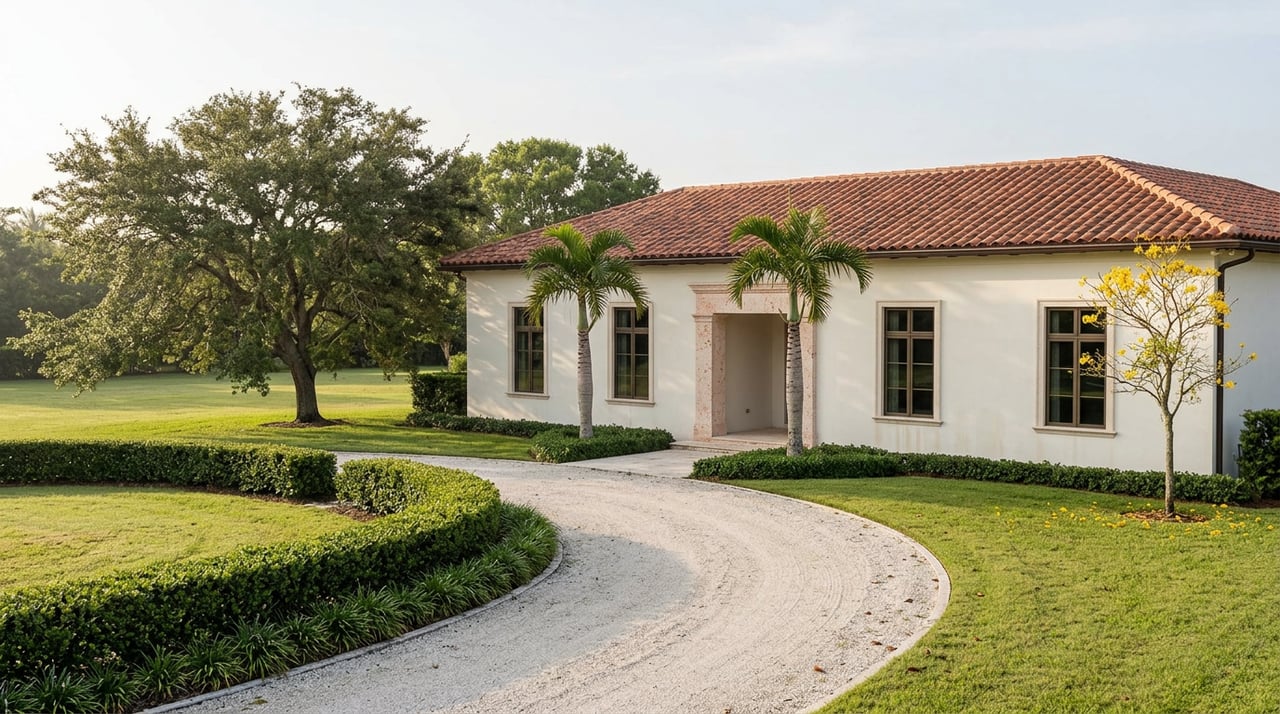
One home sits on an acre in Pine Tree Estates with no HOA, a septic tank, and a zoning designation that lets the owner park a boat or keep chickens in the side yard. The other sits behind a gate in a new Lennar community on a fraction of the lot, with municipal utilities. Both are priced within a few hundred thousand dollars of each other. Both get counted in the same citywide median that shows up on every portal search. And that median, if you stare at it long enough, starts contradicting itself.
Two Listings, Same City, Different Paperwork
The friction shows up before financing, before inspection, before an offer even goes in. Homes in Pine Tree Estates, Country Acres, The Ranches, and BBB Ranches sit on one to three acre lots carved out under agricultural zoning designations like AE-2 Agricultural Estate and A-1 Agricultural-Residential. That zoning is why these lots allow horses, RV storage, and guest houses, and it's also why the homes run on well water with a septic system instead of city sewer. There's no HOA fee because there's no HOA. A buyer touring one of these properties needs a septic inspection and a well water test added to their due diligence list, items that simply don't exist on a new-construction closing checklist.
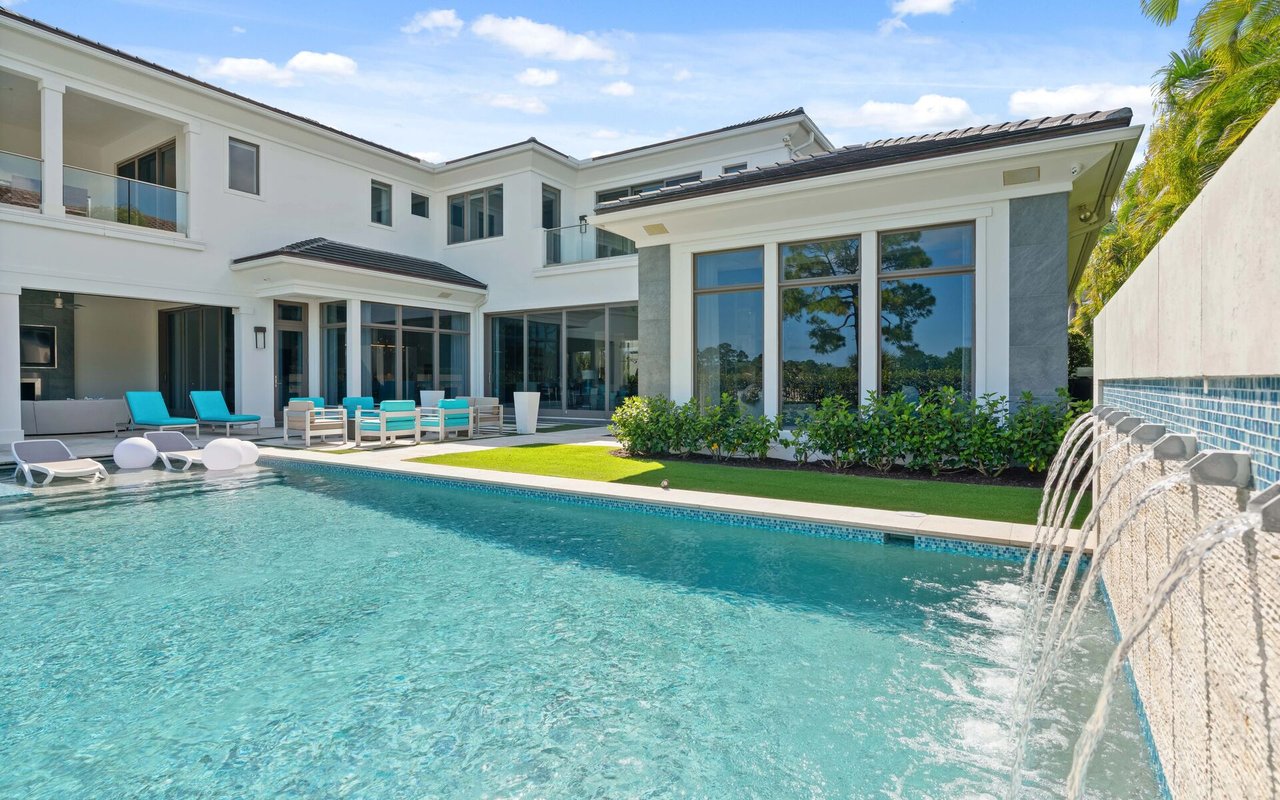
A few miles away, Toll Brothers' Saltgrass at Heron Bay and Lennar's Parkland Royale, sold through its Crown Collection and Monarch Collection, offer the opposite trade. Smaller lots, municipal water and sewer, and a clubhouse or gated entry set them apart. Neither product is better. They're just answering different questions, and a citywide median price doesn't know the difference between them.
What the Median Price Is Actually Averaging
Here's where the numbers get interesting. Redfin's transaction data, in a snapshot covering closings through November 2025, showed Parkland's median sale price up 9.5 percent year over year to about $1.1 million. In the same window, the median price buyers actually paid per square foot fell 6.7 percent to $328. Those two lines should move together. A market getting more expensive per square foot should also see its overall median price climb, and vice versa. Here they didn't.
Move forward to this year and the pattern holds. Movoto's August 2026 snapshot puts Parkland's median list price at $1.24 million, with list prices running about $382 per square foot, almost identical to the $383 figure the same source reported back in January. List prices per square foot have barely moved all year. But Movoto's May 2026 data show the median sold price at $1,262,495, with 450 homes changing hands that month compared to 445 a year earlier. Sale totals are climbing. Per-square-foot pricing is flat to falling. That gap only makes sense if the mix of homes selling is shifting toward bigger properties, not if the value of a square foot of Parkland is actually rising.
That's the mechanism. When more of the homes closing in a given stretch come from the acreage communities, the median sale price gets pulled up by sheer size while the price per square foot gets pulled down, because a big chunk of what a buyer is paying for is land, not finished interior space. When more closings come from the gated new-construction side, the opposite happens: smaller footprints at a higher rate per square foot, dragging the per-square-foot median up even if fewer big-ticket sales are recorded that month. The city's median is really just a weather vane pointing at whichever segment happened to sell more in a given stretch.
Two Products, One Zip Code
|
Acreage / No-HOA (Pine Tree Estates, Country Acres, The Ranches, BBB Ranches) |
Gated New Construction (Saltgrass at Heron Bay, Parkland Royale) |
| Typical lot size |
1 to 3 acres |
Standard subdivision lot |
| HOA |
None |
Present |
| Utilities |
Well water, septic system |
Municipal water and sewer |
| Zoning |
AE-2 Agricultural Estate, A-1 Agricultural-Residential |
Standard residential PUD |
| Representative price point |
Around $1.25 million trailing twelve months in Pine Tree Estates |
Starting near $1.24 to $1.3 million for new Lennar collections |
| Days on market (recent snapshots) |
73 days, above the national norm |
Faster in some snapshots, though sample sizes are small |
| Permitted uses |
Horses, RVs, boats, guest houses |
Subject to HOA covenants |
The table looks like two different cities. It isn't. It's one zip code, split by a zoning line that predates most of the new construction going up around it.
Why the Land Itself Is Doing the Heavy Lifting
Vacant land listings near Parkland tell the rest of the story. Recent listings for undeveloped parcels near the city averaged roughly $1.36 million, working out to about $798,591 per acre. That number matters because it means the raw dirt under a Pine Tree Estates home is not a discount. It's the opposite. A buyer paying $1.25 million for an acre-plus lot with a modest three-bedroom house on it is paying land-driven pricing that has little to do with square footage of finished living space. The per-square-foot math looks calm because the land is absorbing most of the price, not because the market has cooled.
That's also why a spec home built this year inside Pine Tree Estates, on land zoned AE-2 and permitted for boats and RVs, doesn't behave like new construction anywhere else in the city. It's new construction wearing the acreage segment's zoning and utility profile, which means it prices and sells more like its no-HOA neighbors than like a Lennar community five minutes away.
What This Means If You're Comparing Neighborhoods
If you're cross-shopping Parkland against another South Florida city, the single median price you see on a portal search is an average of two products that don't compete with each other. A buyer who wants land, autonomy from an HOA board, and room for horses or a workshop is shopping a different market than a buyer who wants a clubhouse and a gate. Comparing their price tags on a per-square-foot basis without separating them first will make both look like they're behaving oddly, when really they're each behaving normally within their own segment.
Before you anchor a decision to a median number, ask which side of that zoning line the specific listing sits on. Ask whether the utilities are municipal or well and septic. Ask what the HOA, if any, actually funds. Those three questions will tell you more about what you're really paying for than the citywide median ever will. You can browse both sides of that split, acreage and new construction, on our Parkland neighborhood page and see current listings from each segment side by side on our properties page.
Buyers who want to confirm a specific parcel's zoning designation before making an offer can look it up directly through the city's own Planning and Zoning Division, which is the same source that defines whether a lot carries AE-2, A-1, or standard residential zoning.
Quick Answers
Does a no-HOA acreage home in Parkland cost less to own long-term than a gated new-construction home?
Not automatically. Well and septic systems carry their own maintenance and inspection costs that a municipal-utility home doesn't have, and those costs don't show up until you own the property.
Is new construction still happening inside the acreage communities, or only in the gated developments?
Both. Alongside the Lennar and Toll Brothers communities, individual spec homes are still being built lot by lot inside Pine Tree Estates under its existing agricultural zoning, which means the no-HOA segment isn't frozen in its 1970s footprint. It's still adding new inventory on its own terms.
Let's Connect
A citywide median is a starting point, not an answer. If you're weighing an acreage lot against a gated new build in Parkland, or trying to figure out which segment actually matches how you want to live, Jon Lewis can walk through the specific communities, zoning, and financing questions that the portal numbers leave out. Let's Connect.
This article is general information, not legal, tax or financial advice. Consult a qualified professional about your situation.