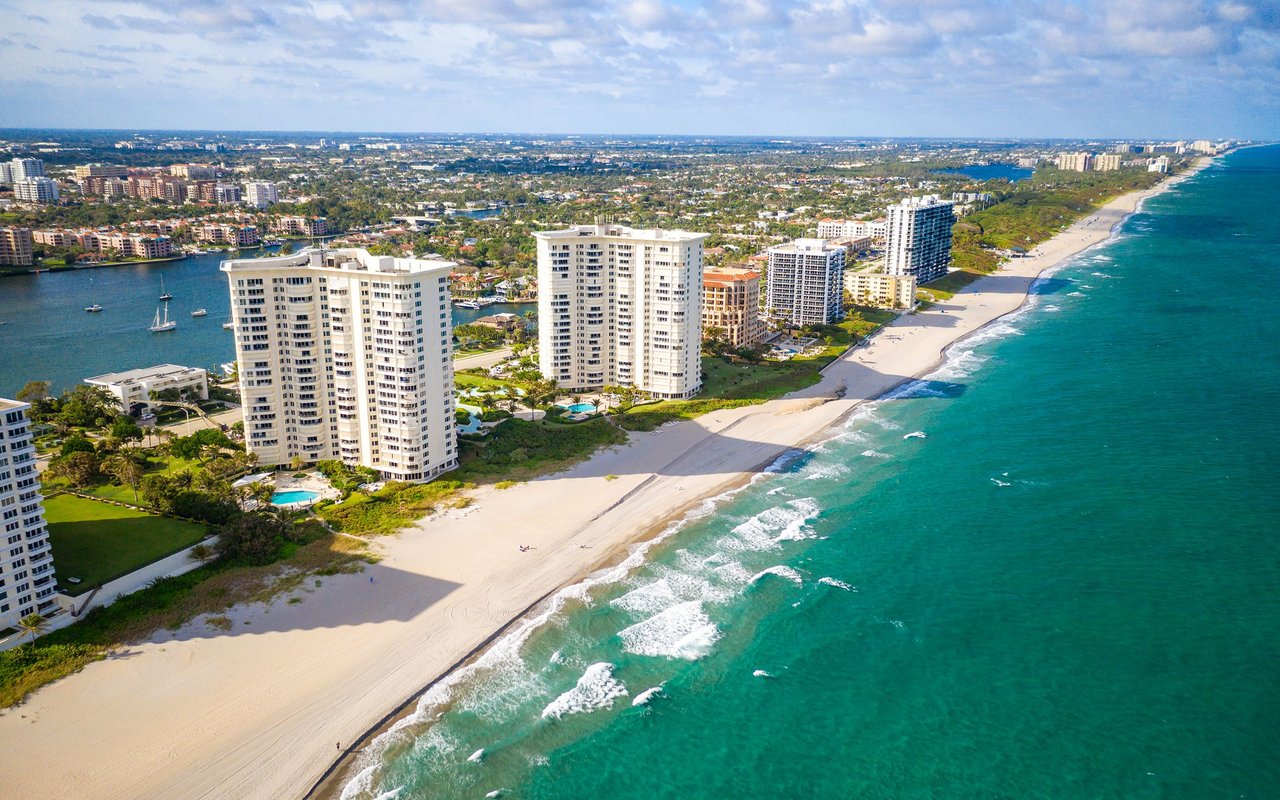
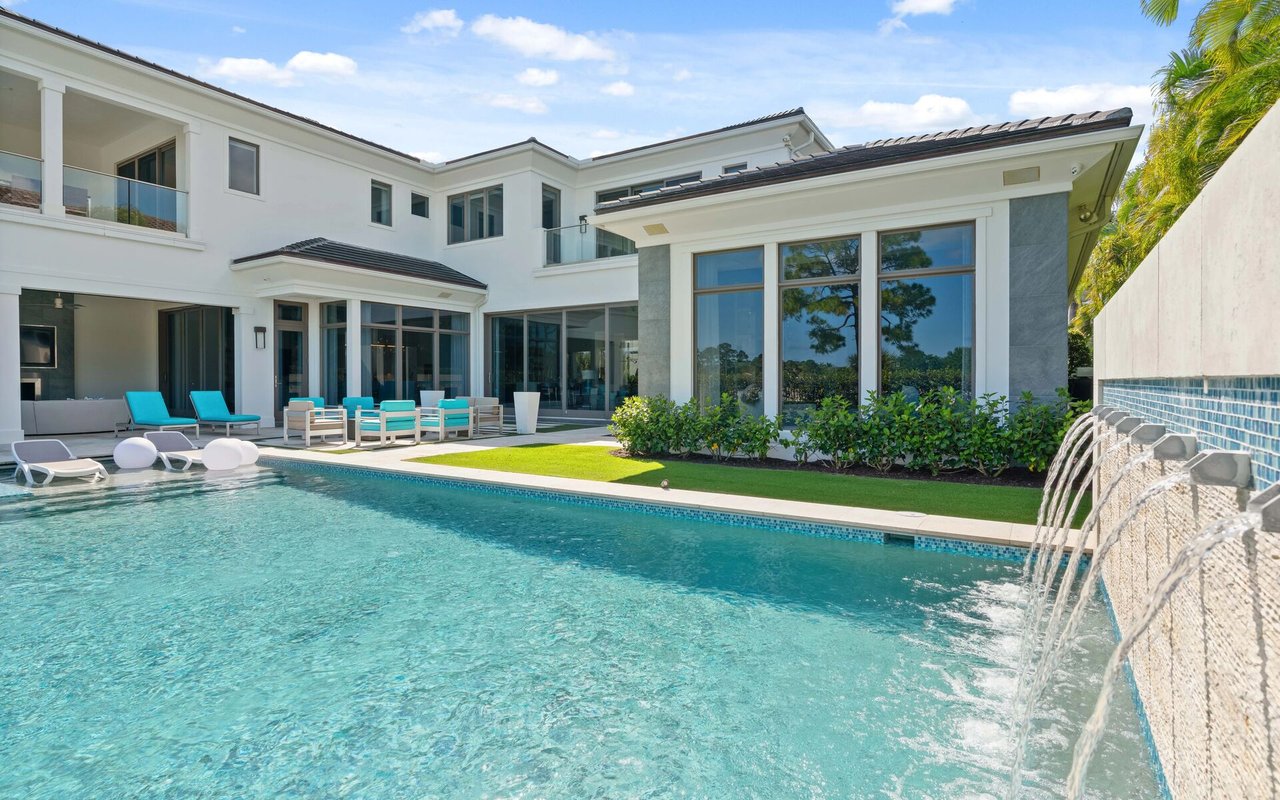
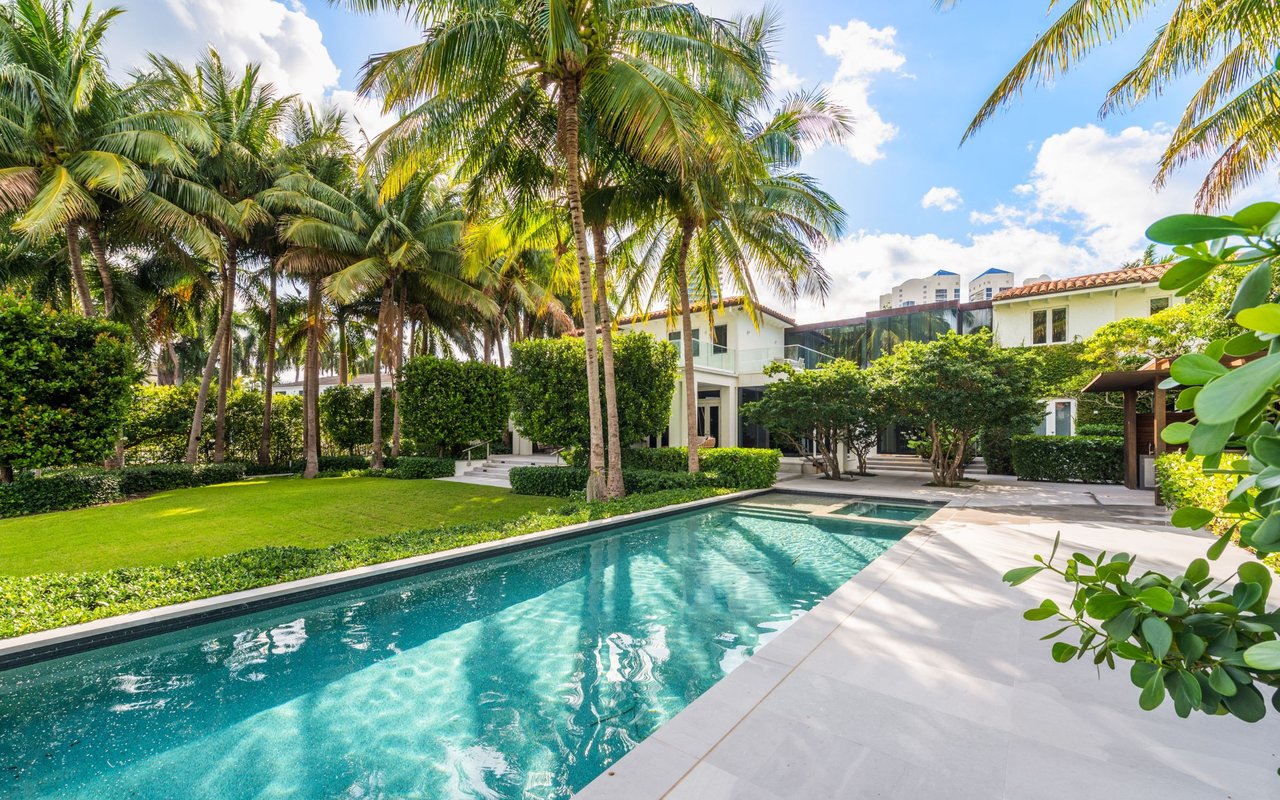
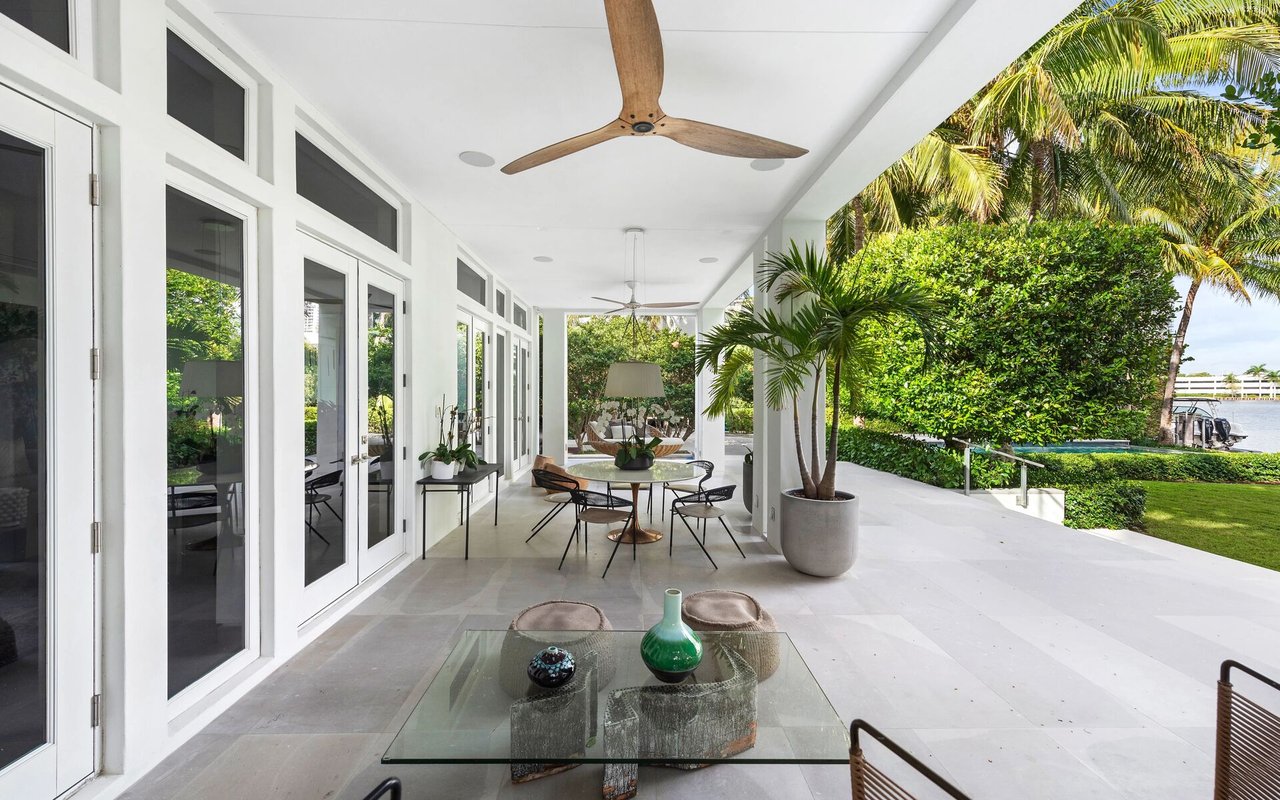
"We want to encourage marine uses. We want to attract new businesses. We want to, most importantly, activate that public waterfront along the Intracoastal." That's Boynton Beach City Planner Tyler Tornese, describing the thinking behind a zoning change the City Commission approved unanimously on July 7, 2026. The new rule, called the Marina Overlay District, runs along the west side of the Intracoastal Waterway from Gateway Boulevard south past Woolbright Road, and it requires any new waterfront development in that stretch to build a public promenade at least 12 feet wide.
If you've been reading Boynton Beach's housing numbers instead of its city commission agendas, you'd have missed this entirely. And that's the problem. The ordinance is four weeks old. The buildings that will make it real are still under construction. But the price data everyone quotes when comparing Boynton Beach to Delray Beach or Boca Raton describes a city that hasn't caught up to what's actually happening on its own waterfront yet.
The Buildings Making the Rule Real
Three projects explain why the city bothered to write a promenade requirement into law right now.
- Octavia, formerly known as Town Square Apartments, is an eight-story, 465-unit building rising next to the new City Hall as part of the broader Town Square District. Backed by the Boynton Beach Community Redevelopment Agency, its plans include a resort-style pool, a rooftop dog park, a spa area, and floor plans running from studios to four-bedroom units.
- Ocean One sits between Boynton Beach Boulevard and East Ocean Avenue, close enough to link downtown's restaurants and shops to the marina on foot. The project was first discussed back in 2018. Construction only became visible this summer.
- The Dune, on South Federal Highway just south of downtown, is replacing older, lower-density parcels with a building that includes structured parking and Intracoastal and ocean views.
Together with smaller infill work, these projects are part of a redevelopment footprint that planning documents put at roughly 1,650 acres, including 35 acres of new urban parks and plazas and 2,500 residential units planned for the downtown district. That scale is why the city needed a rule like the Marina Overlay District in the first place: without it, each new building could wall off its own stretch of water. With it, Boynton Beach is trying to stitch a continuous public walkway out of properties that used to be marinas, boat yards, and parking lots.
Now Look at What the Median Price Says
Here's where it gets interesting. Over the three months ending May 2026, Redfin's data put Boynton Beach's median sale price at $334,000, down just 0.34 percent from the same period a year earlier. Read on its own, that sounds like a market catching its breath, maybe softening slightly.
But look at the metric sitting right next to it in the same dataset: median price per square foot climbed 7.4 percent year over year to $238, over that identical window. And the volume behind both numbers moved up, not down. Redfin recorded 394 homes sold in May 2026, compared with 358 in May 2025, a gain of roughly 10 percent, while average time on market held close to flat at 80 days.
A city cannot get more expensive per square foot while its overall median price barely moves unless the mix of what's selling is changing underneath the number. That's exactly what a redevelopment wave like this one does. Older, smaller homes in the established inland neighborhoods keep trading in growing volume at their usual price points, which anchors the median. Meanwhile a newer, smaller pool of premium product, much of it clustered near the water where Octavia, Ocean One, and The Dune are rising, is commanding a real per-square-foot premium that the median alone can't show you.
Four Sites, Four Different Boyntons
Part of the confusion for anyone comparing neighborhoods online is that no two data sources describe the same Boynton Beach. Here's what a snapshot from midsummer 2026 looks like across four commonly cited sources:
| Source |
Metric |
Figure |
Time Window |
| Redfin |
Median sale price |
$334,000 (down 0.34% YoY) |
3 months ending May 2026 |
| Redfin |
Median price per square foot |
$238 (up 7.4% YoY) |
Same window |
| Houzeo |
Median home price |
$415,000 (up 4.01% YoY) |
As of June 2026 |
| Houzeo |
Sale-to-list ratio |
96% |
June 2026 |
| Zillow |
Average home value index |
$413,313 (up 0.3% YoY) |
Late June 2026 |
| Resideline |
Median sold price, trailing 6 months |
$355,000 |
Through July 2026 |
| Resideline |
Median asking price, active listings |
$279,900 |
July 2026 |
None of these methodologies are wrong. They just measure different slices: closed comps versus asking prices, medians versus modeled indexes, three-month windows versus six-month windows. The gap between Resideline's $355,000 sold median and its own $279,900 current asking median is itself informative. As Resideline's own analysis puts it, a wide gap between asking and sold prices usually means today's inventory is a different mix of homes than what's actually closing, not that sellers are cutting prices by that amount. That's the same mix-shift story showing up from a different angle.
The one thread that runs through all of it, regardless of which median you trust, is that the broad market still favors buyers. Houzeo's data shows only 6.49 percent of Boynton Beach homes sold over asking in the most recent period, down from 6.69 percent a year earlier, and the share of listings with price reductions rose to 78.9 percent. Resideline's snapshot shows 207 active listings against just 68 pending, a ratio that leaves real room for negotiation on typical inventory.
What the Split Actually Means
Put the two halves together and a clearer picture forms. The typical, mostly inland Boynton Beach home, the kind that makes up the bulk of the 394 May sales, is sitting in a buyer-favorable market with room to negotiate, price cuts becoming more common, and days on market holding steady in the 80-day range. That's real, and it's useful information if you're house-hunting in Boynton Waters, Canyon Lakes, or the older subdivisions west of Federal Highway.
But the per-square-foot number is measuring something else: a smaller, newer tier of product concentrated where the redevelopment money is actually landing, much of it inside or adjacent to the Marina Overlay District's new boundary. That tier isn't behaving like a soft market. It's behaving like a market where new construction is setting a higher benchmark than the resale stock around it, which is a normal pattern in any city mid-way through a downtown build-out, but one that a single median obscures.
The Land Signal Nobody Priced Into the Median
The clearest evidence that Boynton Beach's land values are already being reset for a future use, not a current one, isn't even on the water. It's a former Golden Corral at 389 Winchester Park Boulevard, near the Walmart on the west side of town. After more than 20 years in business, the restaurant closed for good after dinner service on Sunday, July 26, 2026. The building sits on 2.67 acres, roughly 10,000 square feet, and the property had already been listed for sale in late 2025 for $4.85 million, well before the closure was announced. No redevelopment plan has been made public yet.
That parcel has nothing to do with the marina or the promenade rule. What it shows is that the appetite driving redevelopment near downtown is showing up in land pricing across the city, not just in the overlay zone. When a 20-year-old buffet restaurant on an inland commercial lot gets priced at nearly $5 million before it even closes, it tells you the market is already valuing land for what could be built next, not for what's operating on it today.
What This Means If You're Weighing Boynton Beach Against Delray or Boca
If you're comparing a Boynton Beach listing to something similar in Delray Beach or Boca Raton, the median price alone will mislead you in both directions. It will make Boynton Beach look cheaper than it is if the listing you're evaluating sits inside the new Marina Overlay boundary or in one of the three active projects, because that tier is already pricing closer to its finished-amenity future. It will also make Boynton Beach look pricier than it is if you're actually comparing it to older resale inventory still trading at a buyer's-market discount inland.
The practical fix is to ask a more specific question than "what's the median in Boynton Beach." Ask whether the property sits inside the stretch running from Gateway Boulevard to south of Woolbright Road, whether its site plan predates or postdates the July 2026 ordinance, and whether the promenade and public waterfront access it promises are built, funded, or still theoretical. Those answers tell you more about what you're actually paying for than any citywide average can.
For buyers weighing Boynton Beach against Delray Beach or Boca Raton, and for investors trying to decide whether to buy ahead of the promenade network or wait for it to finish, the numbers above are a starting point, not the whole answer. Financing structure matters here too, since a newly built condo near an active construction corridor can carry different lending and insurance considerations than an established inland resale. If that's part of your calculation, our mortgage guidance page walks through how those differences typically play out.
Boynton Beach's waterfront is being rewritten in real time, and the paperwork is moving faster than the median price can reflect it. If you're trying to figure out where a specific property or building actually sits in that timeline, Jon Lewis can walk through it with you, parcel by parcel, before you make an offer based on a number that's already out of date.
Let's Connect.